
We’ve Done The Work, Now Pull Up A Chair
Women farmers are not a modern trend or niche movement. We have always been here; planting, tending, raising, managing, and problem-solving. What’s new isn’t our presence. What’s new is the willingness to finally say it out loud.
For generations, women worked farms that bore someone else’s name (usually their husband’s). They kept the books, raised the livestock and the kids, managed labor, saved seed, stretched feed, and held operations together through droughts, depressions, and natural disasters. Often without recognition, ownership, or a seat at the table when decisions were made. History just didn’t forget women farmers, it ignored us.
When women are left out of the conversation, we are also left out of systems such as credit, land access, insurance, disaster relief, and policy design. The absence of women’s voices in agriculture has never meant a lack of contribution; it has meant a lack of acknowledgement and influence. Yet women farmers have always been leaders, just not always labeled as such.
Leadership on a farm doesn’t look like pressed suits, speeches, or titles. It looks like triage during a crisis. It looks like adapting when resources are limited and stakes are high. It looks like balancing long-term stewardship with immediate survival. Women farmers lead from the ground up, shaped by responsibility to their land, their animals, their family, and their community.
That kind of leadership belongs far beyond the barn.
Today, as agriculture faces unprecedented challenges and growing global competition, policy can no longer be written by people disconnected from the realities of farm life. Women farmers bring a lived understanding of how decisions play out on the ground. We ask different questions because we live with different consequences.
From the barn to the Capitol, women advocate differently. We don’t approach policy as an abstract exercise but rather as a problem needing to be solved. We understand that resilience isn’t built in emergencies but in access, preparation, and representation long before an emergency arises. We know that a one-size-fits-all solution rarely fits the mold of real farms.
The difference shows up clearly in how women farmers define leadership itself.
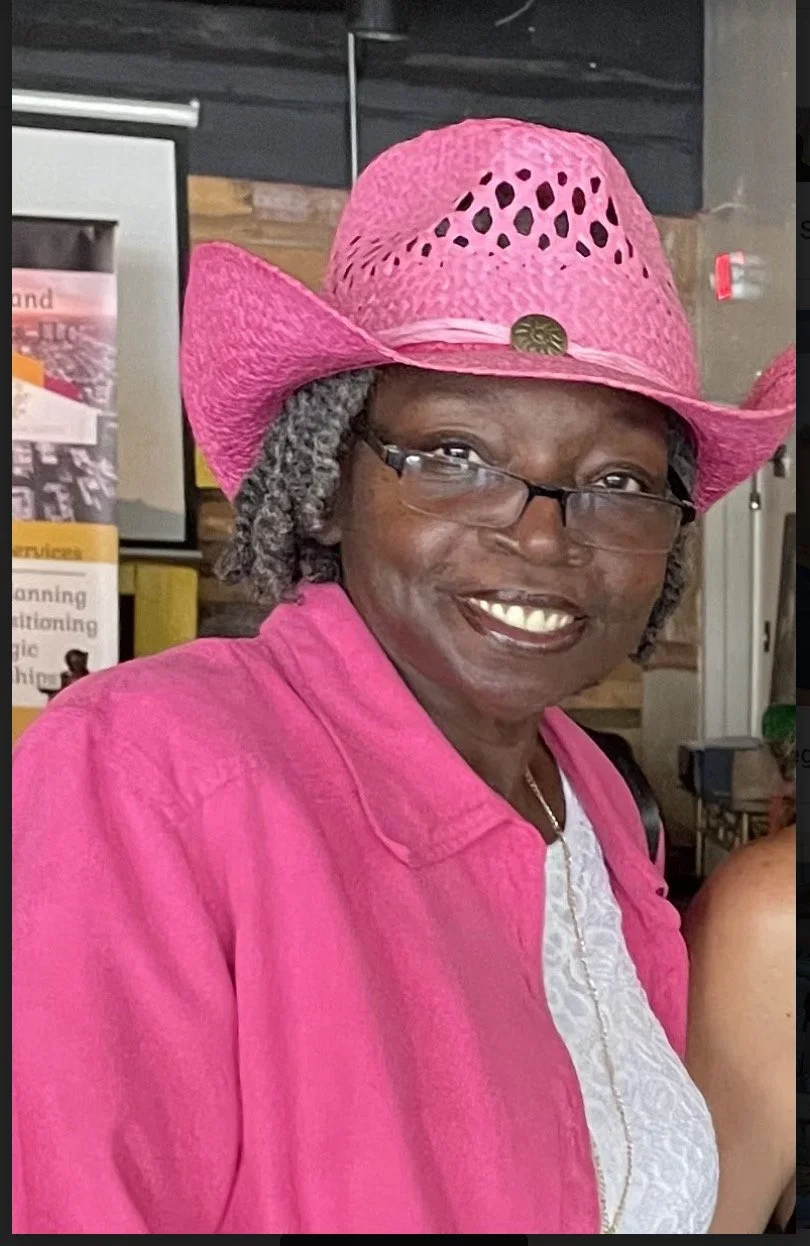
“The kind of leadership women farmers bring to the conversation is that when we lead, we lead with resilience and nurturing pathways. We include those who are ready and willing to join in to help feed communities and families. We care for the land using innovative processes.”
Noreen Whitehead, NWIAA Georgia Chapter President
Leadership like this has existed for generations but systems were never built to recognize or support it. The International Year of the Woman Farmer is about more than recognition. It is about correction. Correction of a historical record that minimized women’s roles in agriculture.
Correction of systems that overlooked women’s needs for resources. Correction of policy processes that failed to include the very people best equipped to strengthen agriculture’s future.
Correction requires more than acknowledgement, it requires access.
“Give women farmers the tools they need to change the landscape in agriculture; access to land and capital,” said Noreen Whitehead. “We are small in number but mighty. With education, training, and technical assistance, we are making history one seed at a time. When policy works for women in agriculture - everyone wins. The farm, the family, and the future of agriculture.”
Women farmers don’t need permission to belong at the policy-making table. We’ve already earned our place through decades of labor that have kept farms running when recognition didn’t follow. What we need now is inclusion that matches contribution.
Because women farmers aren’t new to agriculture.
So pull up a chair, we’re done being invisible.
