
What Does The International Year of the Woman Farmer Mean To You?
When you think of a farmer, who do you picture? This year, we find ourselves in a moment of global reflection and celebration: the United Nations has designated this year as the International Year of the Woman Farmer (IYWF). This designation recognizes the indispensable, yet often overlooked, roles women play across agrifood systems worldwide. It’s a call to highlight their contributions, shed light on inequalities, and commit to tangible actions that strengthen women’s empowerment in agriculture.
According to the United Nations Food and Agriculture Organization (FAO), the IYWF seeks to raise awareness of women’s essential roles in food production, processing, marketing, and the broader agrifood value chain. The definition of “woman farmer” used by the UN is intentionally broad: it includes not only women working the fields, but also producers, processors, traders, traditional knowledge holders, rural entrepreneurs, and others whose work sustains local and global food systems.
Despite the centrality of women’s work in agriculture, they often face unequal access to land rights, financial services, technology, education, and decision-making spaces. These gaps aren’t just barriers to opportunities, they also weaken entire communities and food systems. The IYWF is both a recognition and a call to action.
In the United States, data from the 2022 USDA Census of Agriculture shines the spotlight on the growing role of women in agriculture. The numbers tell a powerful story:
Over 1.2 million female producers, representing 36% of all U.S. agricultural producers
58% of U.S. farms have at least one woman involved in decision-making
These numbers show a shift: women are not just present in agriculture, but are integral to farm leadership and management. Women are active across sectors, from livestock and specialty crops to greenhouse productions and beyond.
This presence often coexists with systemic challenges, particularly in accessing land tenure, credit, extension services, and equitable market opportunities. The IYWF and organizations like the National Women in Agriculture Association (NWIAA) are putting these issues front and center on global and policy agendas.
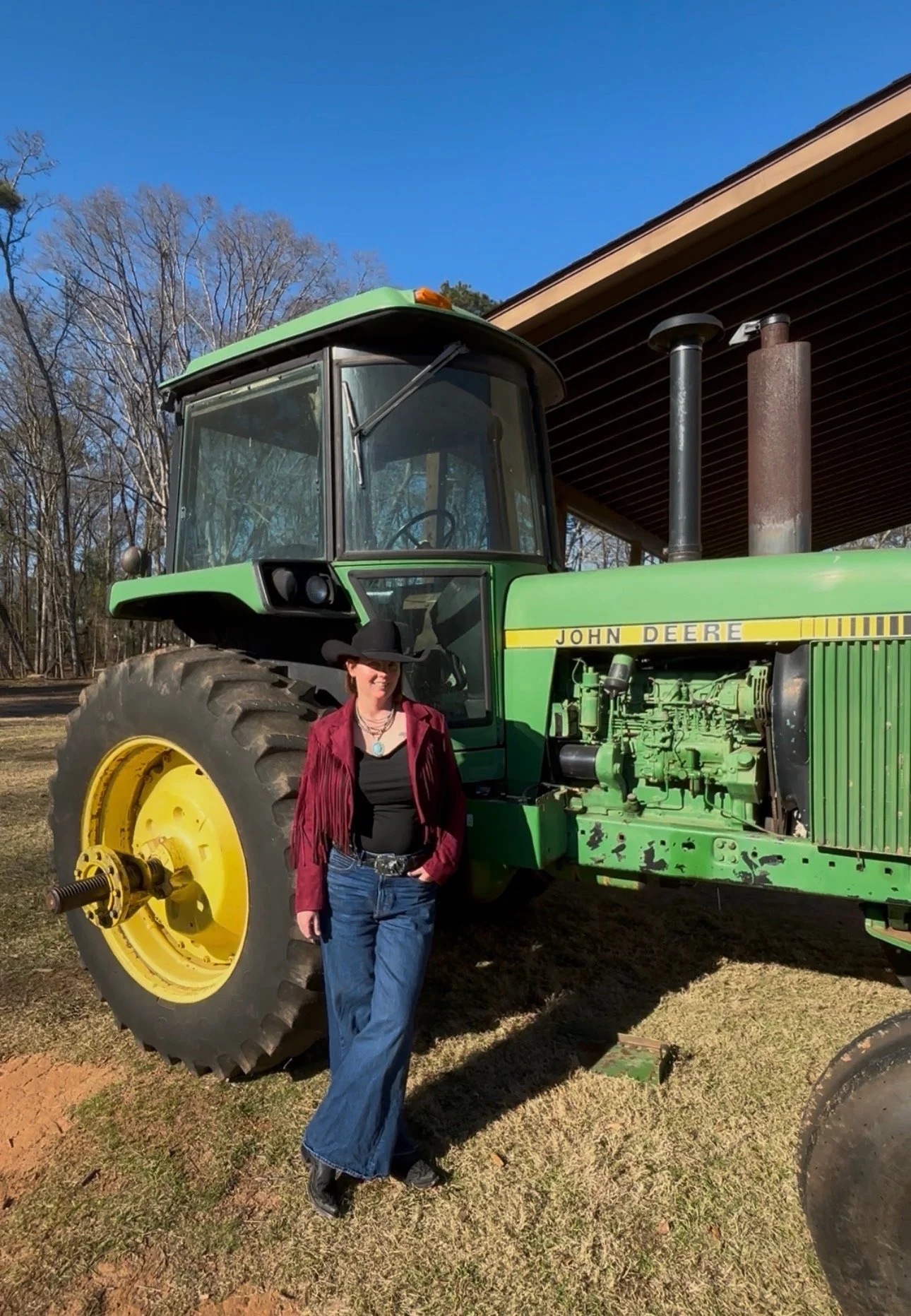
“This year is personal to me and it’s pushed me to reflect on my own path into agriculture. I majored in agribusiness without any prior agricultural background, and today I am a first-generation female farmer. Hearing the voices of other women farmers - their challenges, resilience, and successes - reminds me that I am not alone in this work. This year represents visibility, validation, and momentum. It reinforces my commitment not just to be a good farmer, but to be a responsible steward of the land, the livestock, and the community in which I am building a lasting legacy.”
Caitlin Keele-Ebright, NWIAA Marketing Manager & CEO at Second Chance Farms, Inc
This year pushes us to see beyond statistics and toward lived experience. Whether it be our own or that of the women around us. To truly understand what the IYWF means, listen to the voices of the women who live it every day:
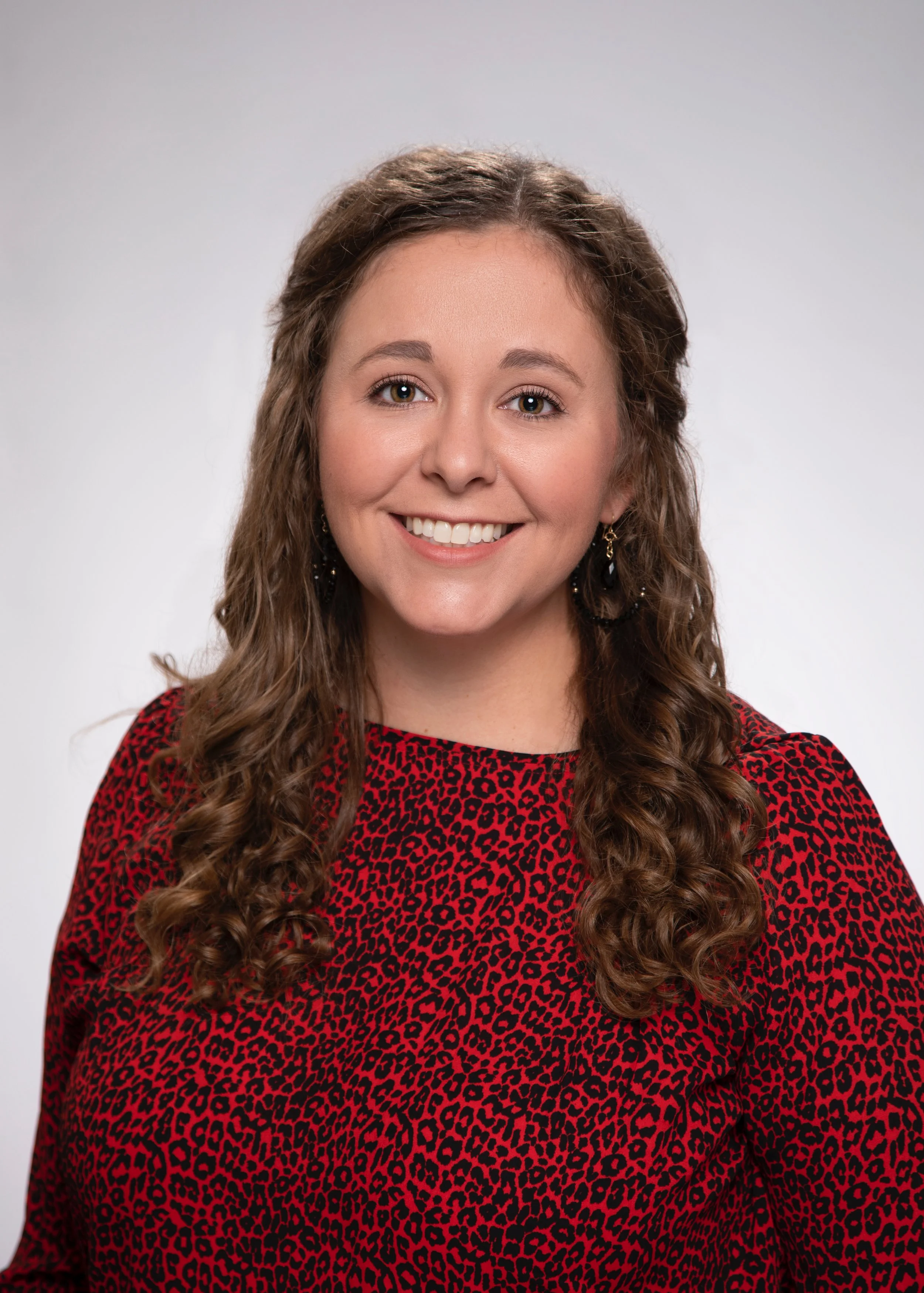
Katelin Benkoski, Big Sandy Creek Dairy: “I’m so excited this year is the year of the woman farmer. Women are quickly growing to have a stronger, well deserved presence in agriculture. It’s awesome to see all women recognized for their contributions that help feed and clothe the world, whether it be boots on the ground in production agriculture or hands in a lab creating better products for the success of generations to come. I hope this year gives hope to generations of youth and women to come that there’s an amazing future to be had in world agriculture.”
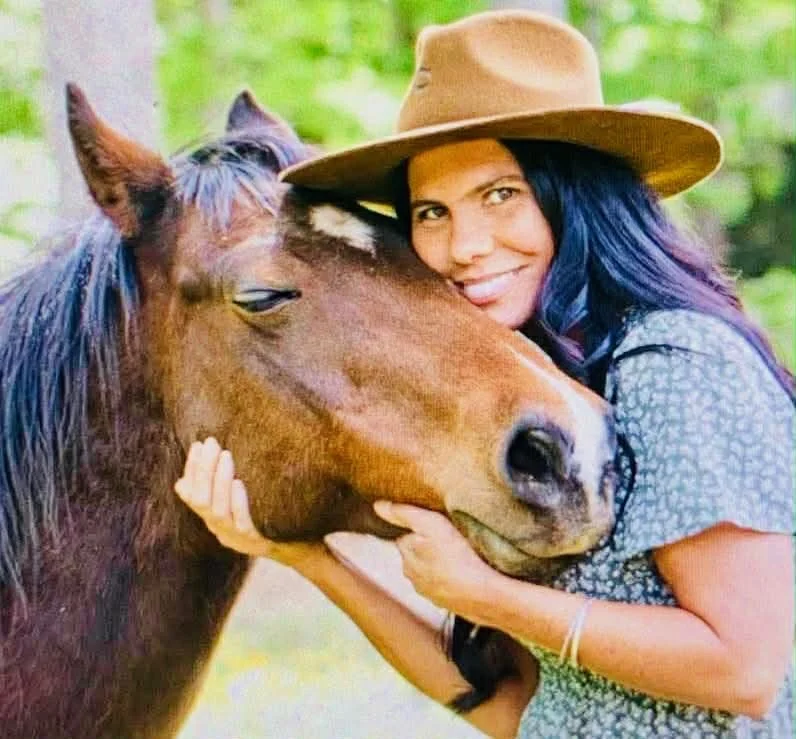
Stephanie Branch, Branch Farms on Coleman River: “The International Year of the Woman Farmer embraces women farmers with the opportunity to educate, advocate, and mentor about their role they have in agriculture. Women farmers have the ability to inspire others through the vital position they place as farm owners, livestock producers, educators (I’m a homeschool mom), and in many cases, single mothers. If we do not cultivate our present day youth to have the passion and knowledge for agriculture, our generations ahead are doomed, being faced with irreversible damage to our ag industry.”
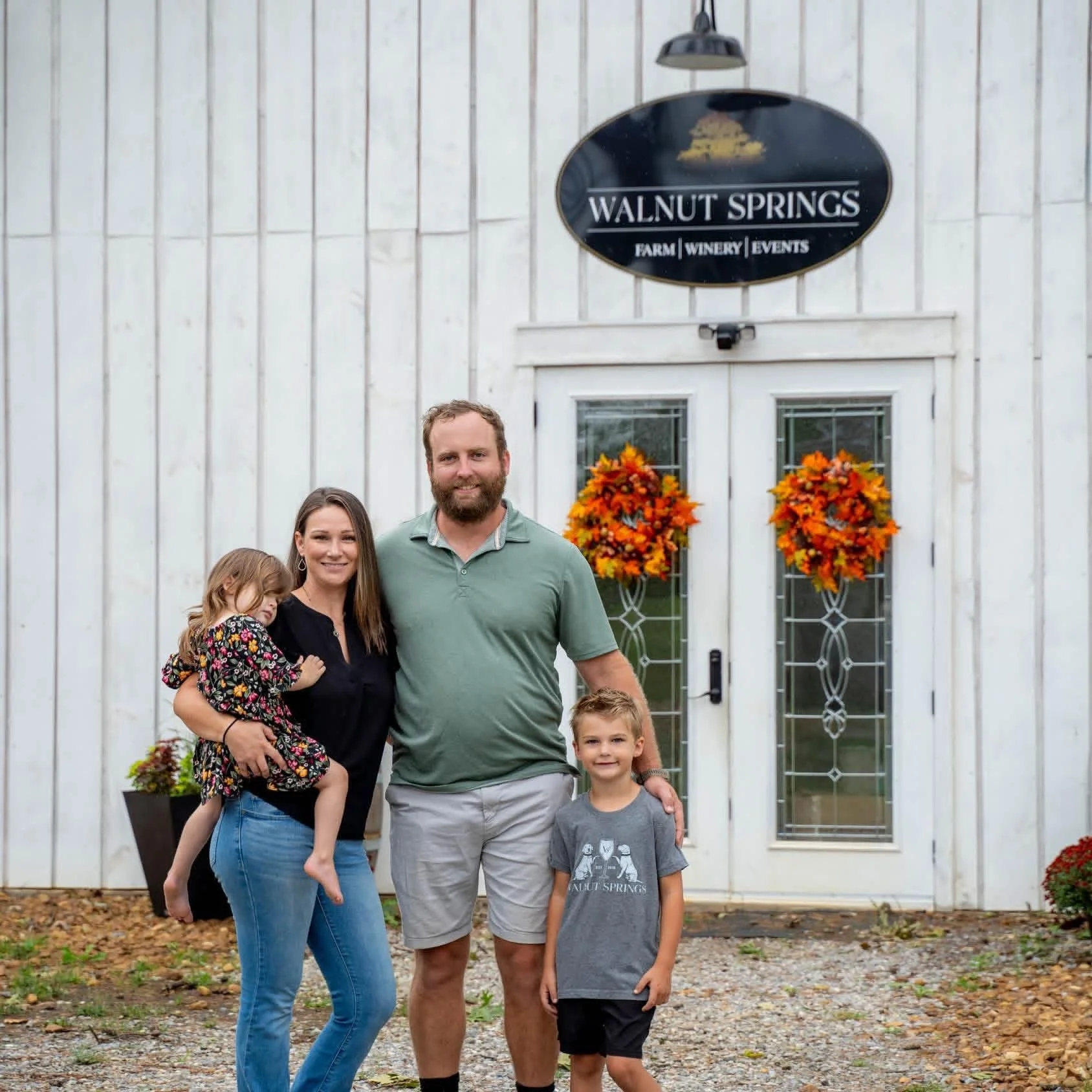
Katie Keener, Walnut Springs Winery: “To me, the International Year of the Farmer represents stewardship — caring for the land, building something that endures, and raising the next generation to respect it. My husband and I own our 60-acre farm, and I started Walnut Springs Winery in 2018 with the goal of creating a place where agriculture, community, and education intersect. Today, the farm also serves as our homeschool classroom, where our children learn through hands-on work — planting, caring for animals, harvesting, and welcoming guests. Agritourism allows us to preserve working farmland, strengthen our local economy, and pass these values forward.”
Their voices bring personal depth to global goals and remind us that policy and purpose have real faces and stories behind them.
The impact of women in agriculture is unmistakable - whether through family farms, community gardens, livestock operations, or education and outreach. This year isn’t just symbolic, it’s aspirational. It reminds us that empowering women in agriculture contributes to food security, economic resilience, and sustainable communities everywhere.
As we reflect on what this year means, we see it as a beginning. One that calls on all of us, as farmers, advocates, and allies, to elevate women’s voices and build systems where women in agriculture don’t just survive, but thrive. At NWIAA, this commitment guides our work today and into the future.
