
Every Flower Has a Farmer
As spring settles in and Easter weekend approaches, front porches across America begin to bloom with fresh color. Hanging baskets brimming with petunias, neatly arranged pansies lining walkways, and vibrant lilies begin brightening dining room tables. For many, these flowers are a seasonal touch, a simple way to celebrate the season. But behind every bloom is a story rooted in agriculture; one that often goes unnoticed.
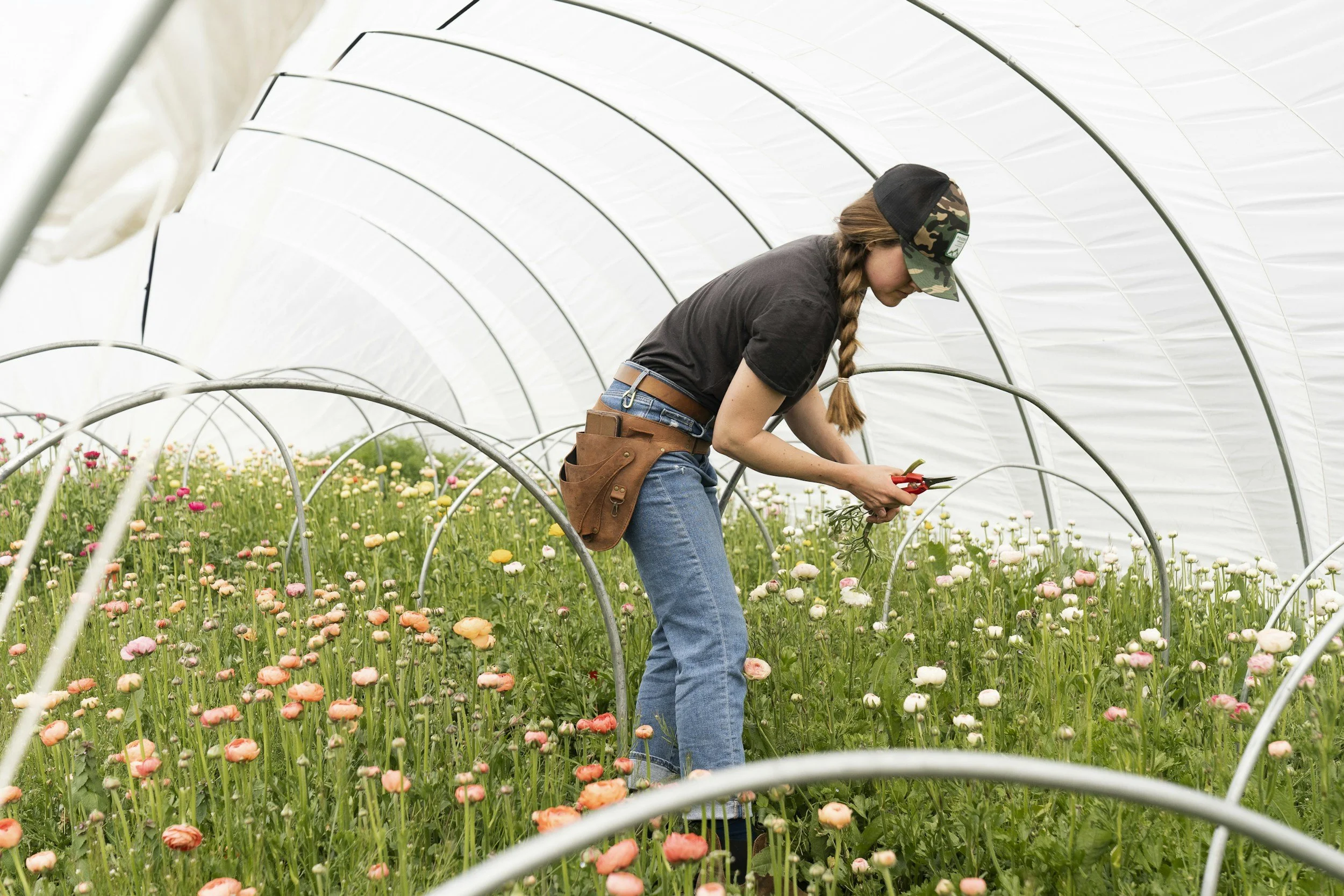
Floriculture, the cultivation of flowering and ornamental plants, is one of the most visually recognizable yet least understood sectors of American agriculture. While rows of corn or soybeans may define the traditional image of farming, greenhouses, shade houses, and carefully managed nursery fields are just as vital to the agricultural landscape and to the economy.
In the United States, floriculture is a multi-billion-dollar industry. It encompasses everything from cut flowers and potted plants to bedding plants, foliage, and ornamental shrubs. These products fill garden centers, grocery stores, farmers markets, and home improvement aisles, especially during peak seasons like spring. The demand surges around holidays such as Easter, Mother’s Day, and Valentine’s Day as flowers become symbols of celebration, remembrance, and connection.
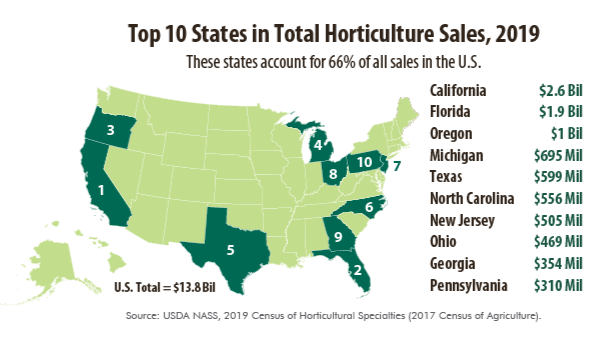
A handful of states lead the nation in floriculture production, thanks to favorable climates, infrastructure, and long-established grower networks. California consistently ranks at the top, producing a significant share of the country’s cut flowers and potted plants. Florida follows closely, known for its foliage plants and tropical varieties that thrive in its warm, humid environment. Michigan, Texas, and North Carolina also stand out as major contributors, each specializing in different segments of the market, from greenhouse-grown annuals to hardy nursery stock.
What sets floriculture apart from other types of farming is its intensity and precision. These crops are highly perishable and aesthetically driven, meaning growers must meet exacting standards for color, size, timing, and overall quality. A flower that blooms too early or too late can miss a key sales window. Temperature, light, irrigation, and pest management are all carefully controlled, often in greenhouse environments where technology plays a central role.
But despite the controlled settings, floriculture remains deeply dependent on the skill and dedication of farmers and growers. These are people who monitor crops daily, adjust conditions hour by hour, and respond quickly to changes in weather or market demand. Their work ensures that when a customer picks up a pot of tulips or a tray of marigolds, the plants are healthy, vibrant, and ready to thrive in a new home.
There is also a strong local component to floriculture. While imported flowers do play a role in the U.S. market, particularly for cut flowers, many of the plants sold in garden centers and nurseries are grown regionally. This reduces transportation time, supports local economies, and often results in plants better suited to the local climate.
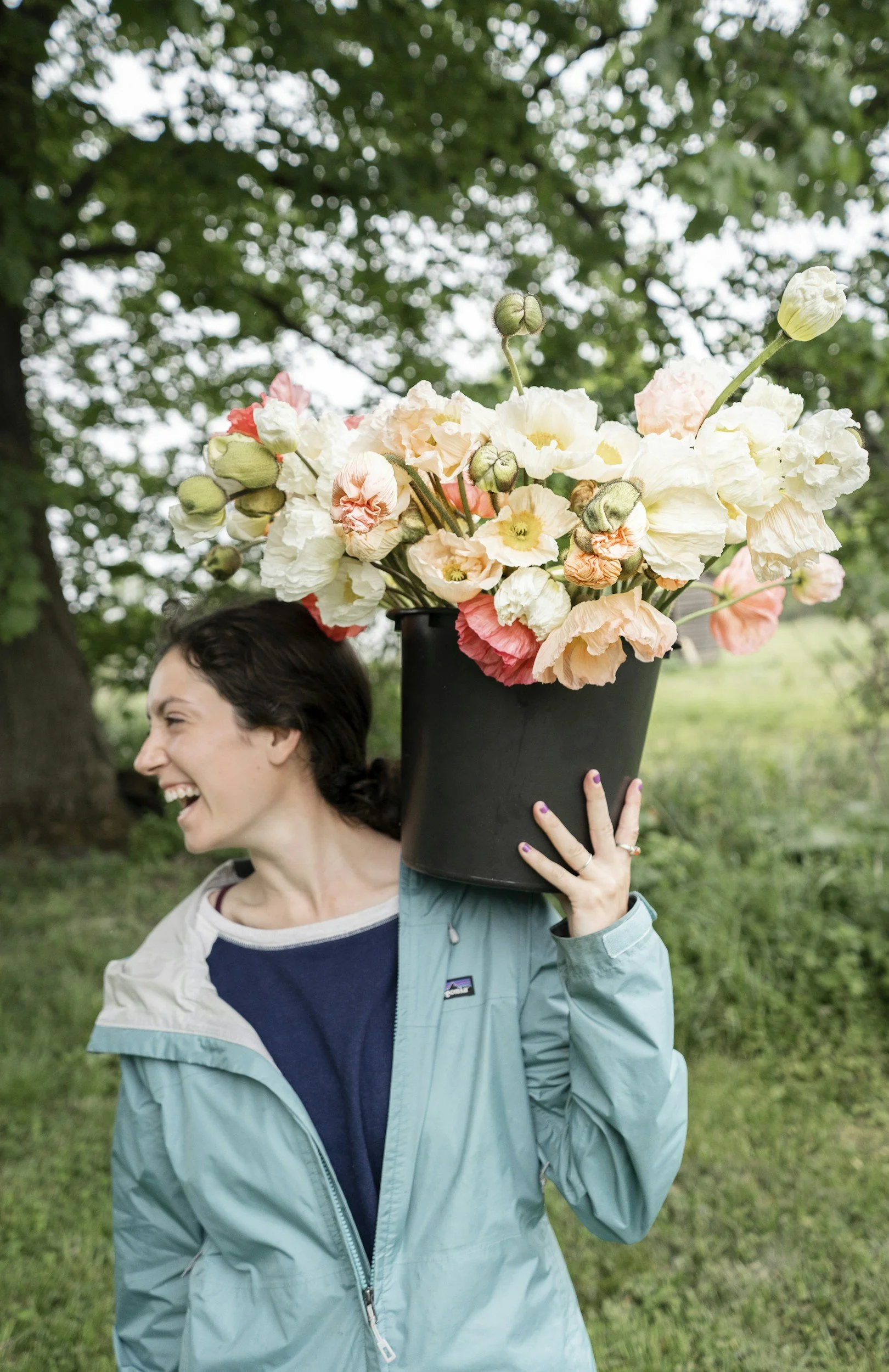
As consumers become more interested in where their products come from, floriculture offers an opportunity to reconnect with agriculture in a tangible way. Unlike commodities that are processed or shipped long distances, flowers are immediate and visible. They are handled, arranged, gifted, and displayed, making the connection between farmer and consumer more personal.
So this Easter weekend, as tables are set with fresh centerpieces and porches are dressed in spring colors, it’s worth pausing to consider the hands that made it all possible. Behind every bloom is a grower who planted, nurtured, and timed that flower to perfection. Floriculture may not always be top of mind when we think about farming but it is, quite literally, what makes spring feel like spring.
